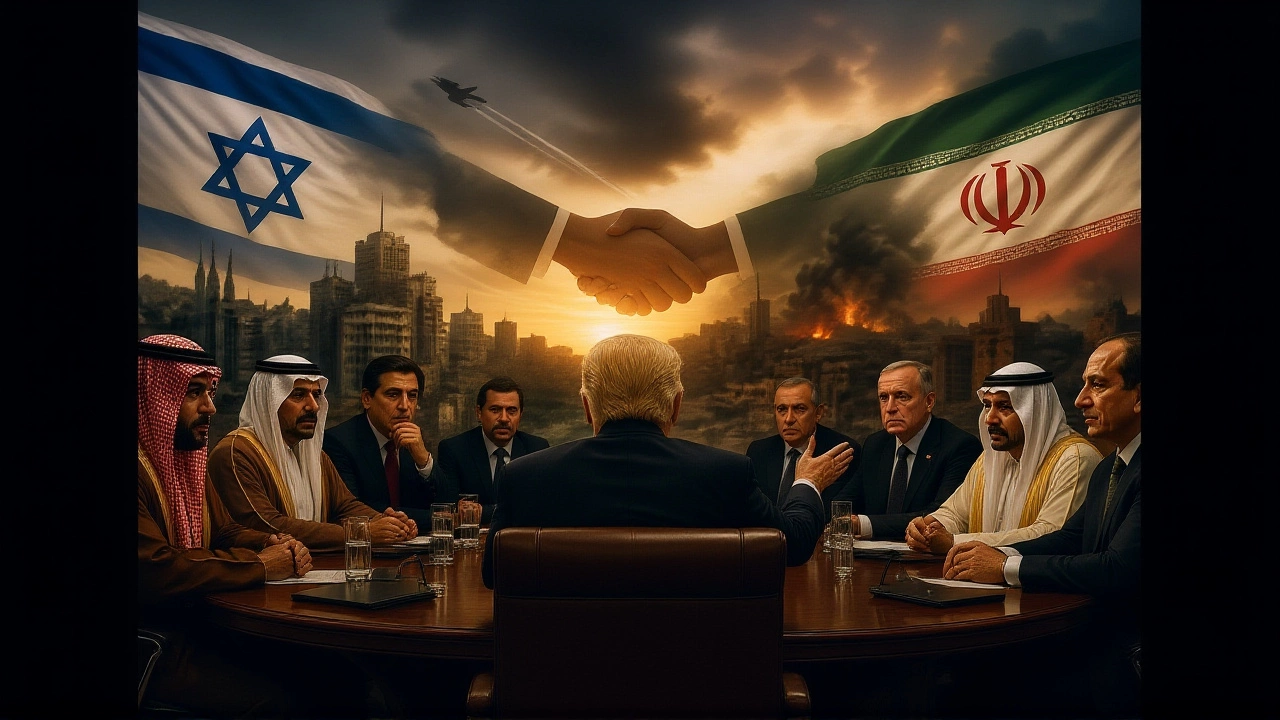
Here’s the twist in Middle East diplomacy that nobody saw coming: Donald Trump, former US President, is back at it. On Saturday, he held a conference call with leaders from several Muslim-majority nations, delivering an ultimatum that has sent shockwaves through regional capitals. The message was blunt: end the conflict with Iran, then formally recognize Israel and join the Abraham Accords.
The call included heads of state from Pakistan, Saudi Arabia, Qatar, Turkey, Egypt, and Jordan. According to reports from Axios and Indian media outlets like NDTV, Trump framed this as a historic opportunity for economic and security benefits. But while some leaders nodded along, others remained conspicuously silent.
A Divided Room
The reaction wasn’t uniform. Mohammed bin Zayed Al Nahyan, President of the United Arab Emirates, reportedly signaled support for Trump’s proposal. His stance aligns with the UAE’s existing role as a signatory to the Abraham Accords, which normalized ties with Israel in 2020. For Abu Dhabi, expanding this framework makes strategic sense—it deepens economic integration and counters Iranian influence.
But wait—things got awkward fast. Representatives from Saudi Arabia and Pakistan appeared uneasy. There were moments of silence during the virtual meeting, particularly from Riyadh. Why? Because neither country currently recognizes Israel as a sovereign state. Asking them to do so isn’t just a diplomatic shift; it’s a political earthquake.
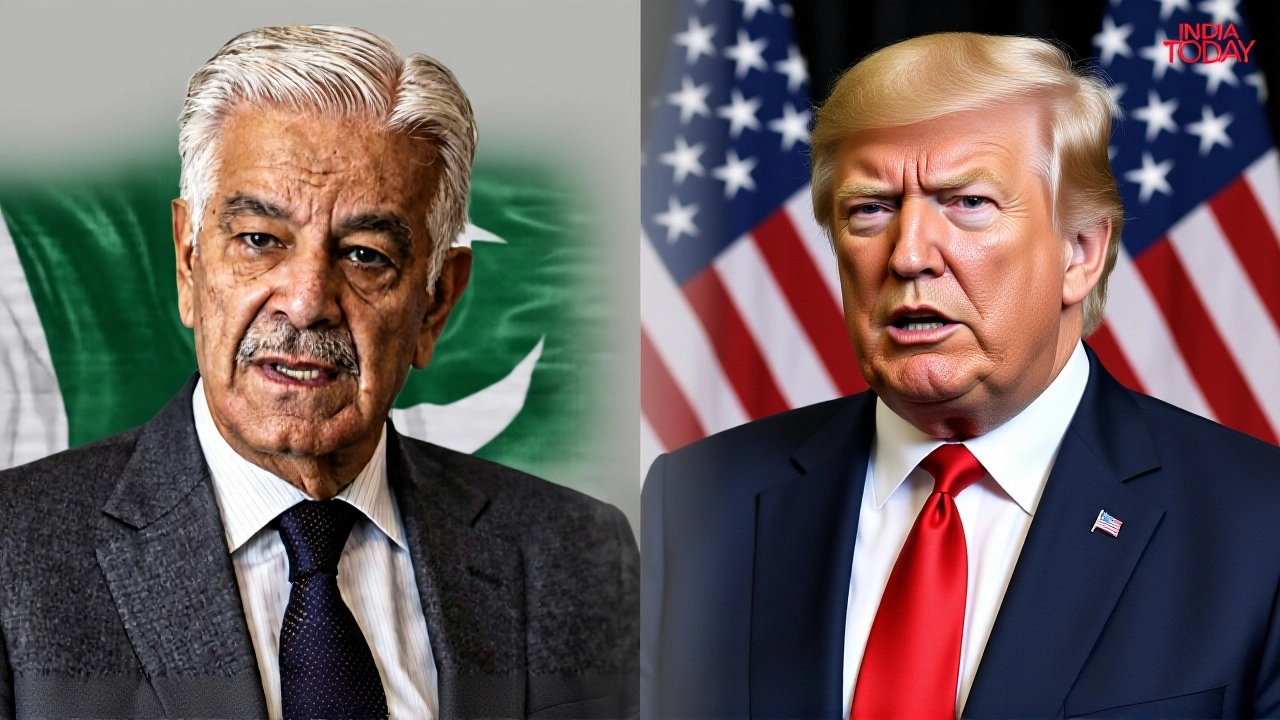
Pakistan’s response was especially firm. Defense Minister Khwaja Muhammad Asif publicly rejected the idea, stating clearly: “Our position is clear—we will not accept friendship with Israel.” An anonymous Pakistani government source told Reuters that linking Iran negotiations with Israeli normalization is unacceptable. Islamabad refuses to be pressured into such a move.
The Abraham Accords: A Brief History
To understand why this matters, let’s rewind to 2020. That’s when the Abraham Accords were signed under Trump’s first term. The deal brought together Israel, the UAE, Bahrain, Morocco, and Sudan. It was named after Prophet Abraham—a figure revered by Jews, Muslims, and Christians alike—to symbolize shared spiritual heritage.
Since then, these countries have opened embassies, launched direct flights, boosted trade, and cooperated on technology and security. The UAE alone has seen billions in new investments linked to improved relations with Israel. But expansion beyond these initial members has stalled. Many Arab states still view recognition of Israel as contingent on progress toward Palestinian statehood—a condition Trump’s latest push ignores entirely.
Why Now?
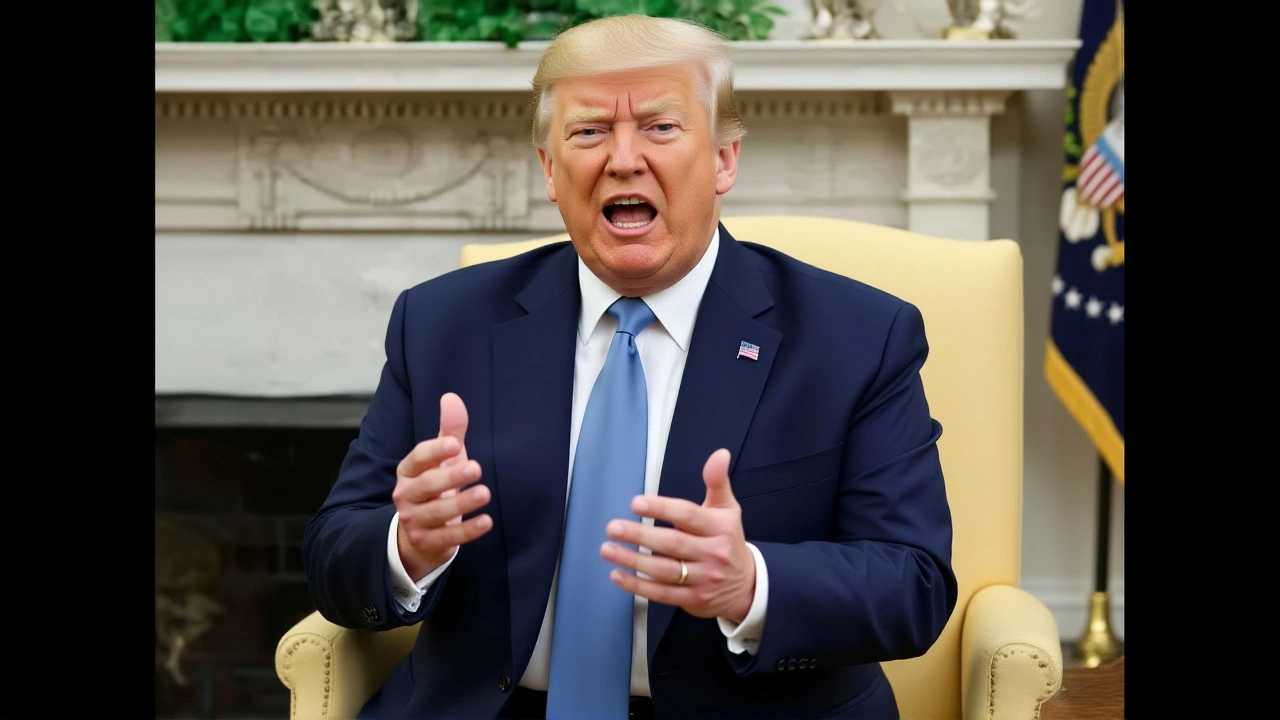
So what’s driving this sudden urgency? Analysts point to one key factor: Iran. With tensions flaring between Washington and Tehran, Trump sees an opening. If a ceasefire or broader agreement can be reached with Iran, he wants to capitalize on the momentum by locking in long-term regional alliances. His logic? A united front of pro-American Arab states plus Israel would isolate Iran diplomatically and economically.
Experts argue this strategy aims to create a new American-backed coalition in West Asia—one focused on countering Iranian power, enhancing security cooperation, and boosting economic partnerships. But here’s the catch: domestic politics in countries like Saudi Arabia and Pakistan make this nearly impossible. Public opinion strongly opposes normalizing ties with Israel without meaningful steps toward resolving the Palestinian issue.
What’s Next?
The ball is now in multiple courts. Will any of these nations cave to pressure? Unlikely—at least not immediately. While smaller Gulf states might consider joining if incentives are strong enough, larger powers like Saudi Arabia and Pakistan won’t budge easily. Their populations remain deeply sympathetic to the Palestinian cause, and their governments risk backlash if they appear to abandon it.
Still, don’t write off Trump’s plan yet. He’s known for bold moves and high-stakes bargaining. If he can secure even partial buy-in—from Qatar or Egypt, perhaps—he’ll claim victory. And who knows? Maybe next time, the silence in the room won’t last so long.
Frequently Asked Questions
What exactly did Donald Trump propose during the conference call?
Trump urged leaders of eight Muslim-majority nations—including Pakistan, Saudi Arabia, Turkey, Egypt, Jordan, Qatar, and others—to formally recognize Israel and join the Abraham Accords once hostilities with Iran cease. He framed this as a historic step toward regional stability and prosperity.
How did Pakistan respond to Trump’s proposal?
Pakistan firmly rejected the idea. Defense Minister Khwaja Muhammad Asif stated that Islamabad does not accept friendship with Israel. Government sources emphasized that Iran talks and Israeli normalization are separate issues and cannot be bundled together under pressure.
Which countries already belong to the Abraham Accords?
As of 2024, the original signatories include Israel, the United Arab Emirates, Bahrain, Morocco, and Sudan. These nations established diplomatic, economic, and security ties following the 2020 agreements brokered during Trump’s presidency.
Why is Saudi Arabia hesitant to join?
Saudi Arabia lacks formal diplomatic relations with Israel and faces significant public opposition to recognizing it without tangible progress on Palestinian rights. Additionally, internal political dynamics and regional rivalries complicate any swift alignment with Western-led initiatives.
Is there any chance other Arab nations will follow suit?
Possibly—but selectively. Smaller Gulf states like Oman or Kuwait may explore closer ties if offered substantial economic incentives. However, major players like Egypt and Jordan already maintain peace treaties with Israel but stop short of full normalization unless Palestinian concerns are addressed.






Write a comment